

- Riot’s anti-cheat is bricking players Pc’s.
- Riot’s say on this matter of frying cheaters Pc.
- Vanguard is a kernel-level a anti-cheat and what does this mean.
Riot Games’ anti-cheat software, Vanguard, has proven incredibly effective at stopping cheaters in games like League of Legends and Valorant, but it does so by rooting into your operating system.
Vanguard Anti-Cheat Issue
A major anxiety raised by players over kernel-level anti-cheat such as this is how it could potentially leave them exposed to security breaches from hackers. Riot, however, has maintained a blasé attitude to these worries, and the newest update appears to have gone a step further by bricking cheaters’ PCs.

Riot Games’ Vanguard anti-cheat has come under fire many a time. When it first launched with Valorant, players accused the tech of “bricking” their PCs, with complaints about its kernel-level access. Those same allegations began to spiral when Vanguard was added to League of Legends in 2024, with high-profile streamer Nick ‘LS’ De Cesare’s computer being one of many that appeared to have issues post-launch. Some users have claimed that a new update to Riot’s anti-cheat has led to PCs being “bricked,” but Riot has since issued a statement highlighting that Vanguard “does not in any way brick PCs or PC components or PC software.”
If you want to play either Valorant or League of Legends, you have to have Vanguard installed. As a kernel-level anti-cheat, Vanguard operates at the deepest level on your OS, ensuring that hackers can’t just bypass Riot’s anti-cheat systems. We’ve seen it work wonders in recent years, with games now officially terminating if cheaters are found.
Riot Games Says Vanguard Is Not Bricking PCs
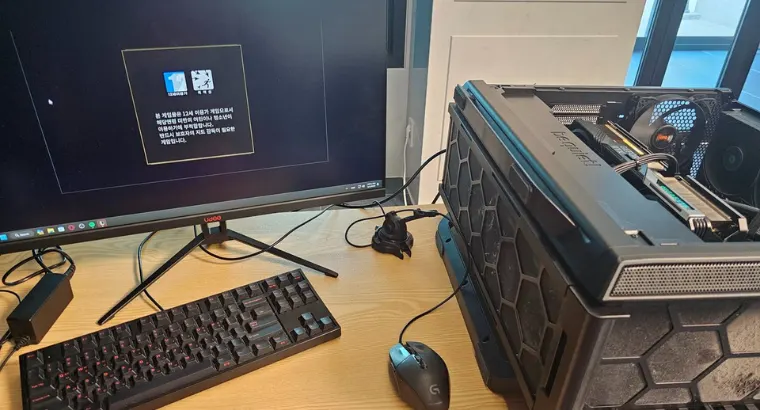
In response to the rumors spreading online, Riot Games responded, stating on Twitter that “Vanguard does not damage hardware or disable your devices.” The paperweight joke had specifically been referring to cheating hardware no longer functioning in Valorant. The studio further explained that its latest Vanguard updates are intended to enforce standard security protections like IOMMU on accounts that are detected using DMA based cheats. These protections prevent unauthorized memory access by cheat devices but do not permanently disable PCs or components. Any hardware faults or instability experienced by users, clarified Riot, are expected behavior of those security protections and not deliberate damage caused by Vanguard. “We would not, and cannot, impact your PC’s functionality in any other fashion.”
Well, that escalated quickly.
— Riot Games (@riotgames) May 22, 2026
There’s been a wave of claims by cheaters about Vanguard “bricking” their PCs, so let’s clear that up: Vanguard does not damage hardware or disable your devices.
The photo we posted is a picture of cheat hardware devices that are sold explicitly… https://t.co/dXb75Z91k9
In the Twitter post, the developer further clarified that disabling IOMMU would allow DMA devices to function normally again outside of Riot’s games. However, IOMMU protection will still be required to launch Valorant. Furthermore, normal players will not experience any hardware related issues, as the update only affected DMA-based cheating hardware. In a second, FAQ-style post, Riot reiterated that “no hardware is being damaged and no other functionalities are impacted.” The situation is reminiscent of similar claims that surfaced in 2024, when some users alleged that Vanguard updates were causing PCs to fail. At that time, Riot had stated that it was unable to verify reports that the anti-cheat software was bricking computers.
Wrapping Up
The situation has sparked a wider discussion about the increasingly aggressive measures being taken to combat cheating in video games. DMA hardware, in particular, has become a concern for developers since it can directly access system memory to bypass many traditional anti-cheat systems. Riot maintains that Vanguard is one of the industry’s most advanced anti-cheat systems, and many players welcome the company’s strong stance against cheating. At the same time, though, there are concerns about kernel-level anti-cheat software, potential privacy issues, and the degree to which developers are interacting with player hardware to achieve their ends.
Despite the periodic controversy about Vanguard and other anti-cheat software, Valorant continues to be a major success for Riot. The first-person tactical shooter has maintained strong player numbers around the world since its launch in 2020. The game receives regular seasonal updates, new agents, and anti-cheat improvements, and it maintains a healthy esports presence.
You may also like to read: Pokemon TCG Pocket Officially Reveals Paradox Drive Expansion & Upcoming Event Details