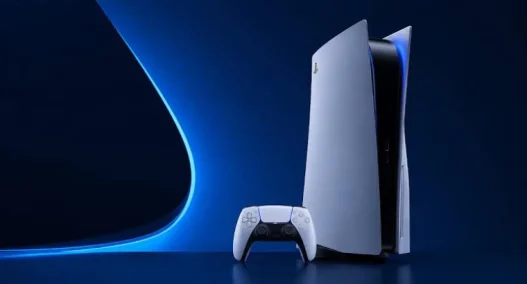
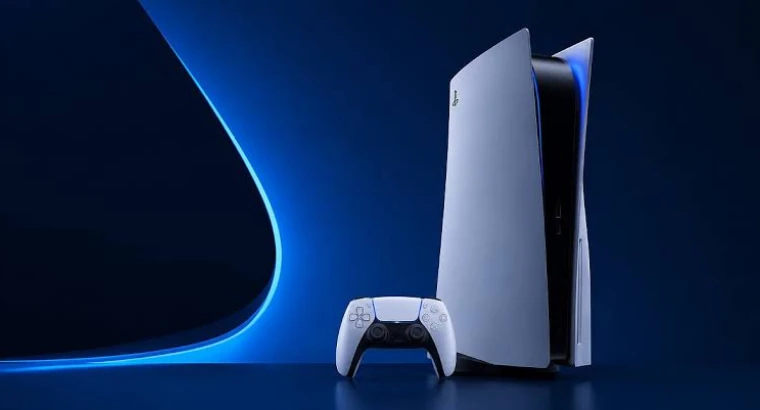
A major shift in the video game landscape has set off an intense fight between players and Sony. On July 1, 2026, the company announced it will move to digital-only game distribution starting in 2028. The decision has exposed the friction between Sony’s digital strategy and traditional consumer rights. As the multi-billion-dollar gaming sector shifts toward cloud infrastructure and software-as-a-service models (SAAS), the way games reach players is changing worldwide.
The announcement has triggered a large backlash from within the gaming community and beyond. A unified petition is now challenging the policy, and players are fighting to protect their right to collect, share, and preserve physical media.
Players Rise Up Against Sony’s All Digital Mandate
The conflict escalated after Sony confirmed it will stop producing physical discs for all upcoming PlayStation titles and software from January 2028. Future games will be sold as direct digital downloads, or as a plastic box containing only a paper download code. The shift was reinforced by confirmation that major titles like Grand Theft Auto VI will launch with no physical disc version. Sony’s stated goals are to cut distribution channels, reduce manufacturing costs, and improve software margins.
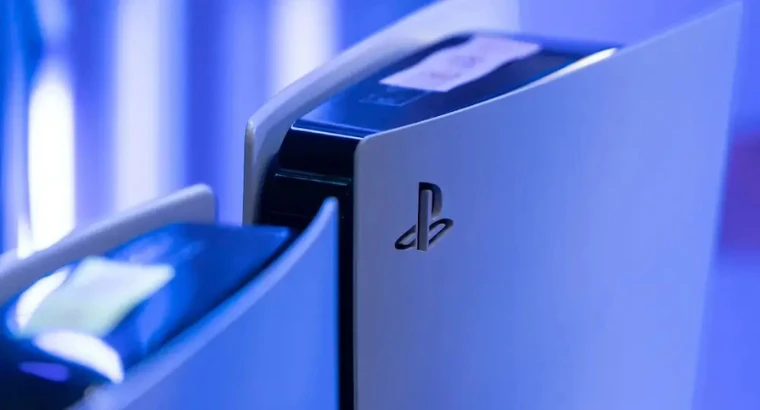
Consumers and independent retailers are fighting back against what they call an enforced digital monopoly. Jade Pearce, CEO of independent retail chain PNP Games, launched the “Don’t Kill the Disc” campaign on Change.org. The petition has grown into a significant consumer-rights movement, gathering over 243,000 verified signatures at the time of writing, with players demanding a reversal.
This community’s outrage is fuelled by a sense of corporate hypocrisy. Protesters are widely circulating a viral marketing campaign from E3 2013 where Sony publicly mocked its competitors by promising that the PlayStation ecosystem would always allow fans to trade, sell, lend, or keep physical discs forever. Thirteen years later, Sony is removing those exact consumer options. This campaign does not seek to end digital storefronts, but rather to fight against a restrictive ecosystem where digital download becomes the only available option for the next generation of players.
Sony’s gradual move toward keeping its games exclusive to its own hardware has added further frustration.
Fans Battle Sony For True Ownership Of Games
The core of the player frustration focuses on the long-term economic and cultural fallout of an all digital console environment. The complete elimination of physical media marks the end of the secondary video game market, permanently destroying the pre-owned and trade-in ecosystems that allow gamers to sell used software or buy titles at reduced prices. Without marketplace competition from independent retail outlets, consumers will be entirely forced to the absolute pricing control of a single platform owner.
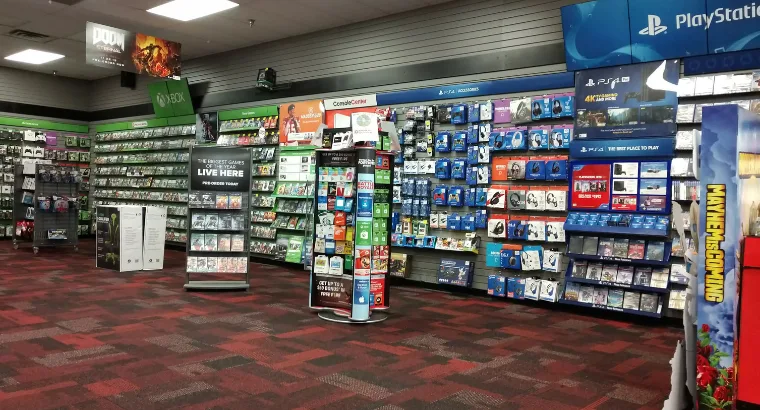
Furthermore, the transition replaces authentic product ownership with restrictive digital licensing agreements. When purchasing a disc, players own a tangible asset that can be gifted, collected, or archived indefinitely. While on the other hand buying a digital game merely grants a temporary license to access data on a remote server. The petition warns that this access can be revoked by corporations at any moment, pointing to past consumer incidents where platform holders deleted legally purchased entertainment libraries from user accounts without warning or monetary compensation.
For preservationists and collectors, a disc less future poses an existential threat to gaming history and players. When digital software stores inevitably shut down due to server maintenance costs or expired corporate licensing agreements, unarchived games are wiped from existence. This deletion of physical media takes the power away from consumers, leaving the preservation of games entirely at the hands of corporate decision-makers.
You may also like to read – Mario Kart Tour Is Shutting Down After Seven Years, With No Offline Version Planned