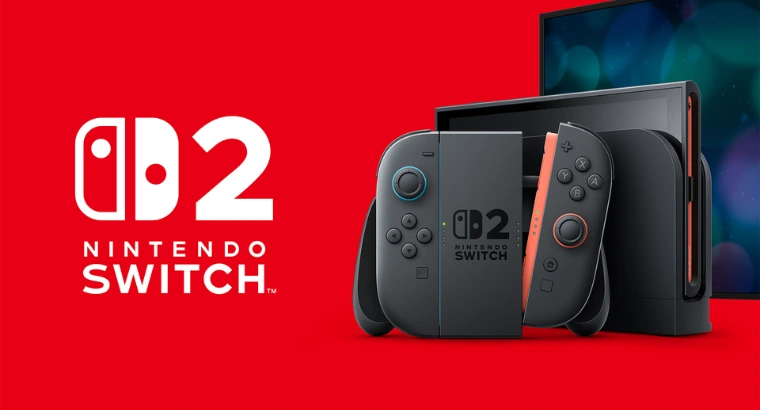
In 2023 the European Union passed a new regulation called the EU Batteries Legislation, which requires consumer products with built-in batteries to make these batteries easily removable and replaceable starting from 2027.
This legislation will come into force on February 18, 2027, and Nintendo has now announced its intention to comply with it by releasing revised Switch 2 hardware at some stage in the future. And redesign the older Switch 2 Lite and Switch 2 OLED hardware with the new EU regulation and allow users to replace batteries in consumer electronics themselves.
How Nintendo Aims To Comply With The EU Regulations
There has been an update this week, with Nintendo’s official European website confirming “future compliant versions” of the Switch 2 for this region will come with “unique model numbers” and the additional code ‘OSM’ visible on the packaging, designating them as separate products. While the company doesn’t specifically name the Switch 2, it refers to “current products with model numbers starting with ‘BEE’”. The Switch 2’s model number is BEE-001.
However, it should be noted that other Switch 2 accessories such as the Joy-Con 2 controllers (BEE-012 and BEE-014) and the Switch 2 Pro Controller (BEE-008) also have their own built-in batteries and currently have no way for the user to easily replace them, suggesting they may also be getting revisions if the legislation applies to them.
“The Batteries Regulation aims to reduce the environmental impact of the manufacture, distribution, use, disposal and recycling of batteries and rechargeable batteries,” Nintendo said in a statement.
What Are The New EU Mandate Regulations, & What It Aims At Solving
While it feels sudden because Nintendo just confirmed its compliance plans, this regulation was actually passed by the European Parliament as part of the EU Green Deal, giving tech companies a 4 year grace period to redesign their hardware.
The EU regulation aims to solve the massive environment problems like the E-Waste problem, by forcing a modular design that extends the devices lifespan by allowing the users to swap cheap parts rather than dumping a piece of electronic hardware. Another reason is to create a separate repair friendly production line highlighting the growing influence of the global Right-To-Repair movement which aims to shift the power back to the consumer, legally requiring that parts be easily swappable using the commercially available tools.
How Gamers Feel About The Imposing Regulations
Nintendo’s announcement for releasing a revised version of the Switch 2 with a user-replaceable battery exclusively for the European Union has sparked a polarized reaction among the gaming community. Some users are welcoming this move as a long-overdue victory for the “Right to Repair” movement. Many users, frustrated by years of increasingly sealed-off, disposable electronics, view this as an approachable shift toward product longevity and environmental responsibility.
Comment
by u/Turbostrider27 from discussion
in Games
For these fans, the ability to swap a degraded battery without resorting to heat guns, solvents, or expensive, manufacturer-mandated repair services is seen as a return to common sense. They argue that this legislation serves as a necessary check on corporate practices that prioritize profit over sustainability, and many are calling for this European standard to be adopted globally to ensure all players can easily maintain their hardware over the long term.
Conversely, others in the community are raising concerns about the potential trade-offs and the fragmented nature of this release. A significant portion of the discourse centers on scepticism regarding the design implications, with critics suggesting that designing for “user-replaceable” batteries could force compromises in battery capacity, waterproofing, or the overall slim form factor that has made the Switch popular.
Comment
by u/Turbostrider27 from discussion
in Games
From a logistical standpoint, some observers are also questioning how Nintendo would manage two separate hardware SKUs, speculating that this could lead to increased production costs that maybe be passed directly on to the consumers.