- A throwback at Zelda’s legacy so far
- Live-action adaption of the franchise
- What makes Zelda’s 40th Anniversary worthwhile
Breath of the Wild reinvented the Zelda franchise in the Switch era, and now, the company appears to be looking to the past with the rumoured remake of The Legend of Zelda: Ocarina of Time. While a fresh version of that classic game is highly anticipated by fans, a new era for the mainline games is also on the horizon.
What Zelda’s 40th Anniversary Means For Fans
Zelda may have entered a new era on the Nintendo Switch, but now that the Switch 2 is here, it’s time for Nintendo to take the saga in another new direction. Fittingly, it’s a major anniversary for the franchise, and while Nintendo hasn’t made many announcements about its celebration plans, it does look like there are big things in store. Seems that this new era is as much about looking backwards as it is moving forwards. Nintendo hasn’t officially confirmed that an Ocarina of Time remake is on the way, but the project has been teased by Zelda producer Eiji Aonuma, and leaks suggest that a big announcement isn’t far off.
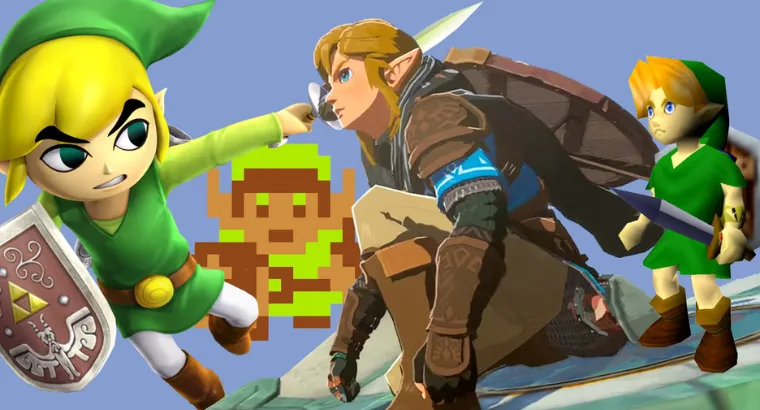
As the first 3D Zelda game, Ocarina of Time did just as much to reinvent the franchise as Breath of the Wild did, and it’s exciting to think about this classic game getting modernized and updated so that it can be enjoyed by a new generation of players. There are even suggestions that additional remake projects, like Wind Waker and Twilight Princess, are coming, but those releases may be further off.Iit seems like Nintendo’s plan in this new era is to ensure that Link’s greatest adventures aren’t forgotten.
Street Fighter 6 Director Takayuki Nakayama's message for The Legend of Zelda 40th Anniversary:
— Stealth (@Stealth40k) April 7, 2026
"I gained invaluable experience while working on The Legend of Zelda: The Minish Cap. The advice I received from Shigeru Miyamoto-san left a lasting impression on me, which has… pic.twitter.com/YiqVDrSs4N
It’ll likely be years before a new mainline Zelda game is revealed, and in the meantime, these remakes will keep players invested in the franchise and draw in newcomers. Of course, some of the biggest Zelda plans won’t be on the Switch 2 at all.
Zelda Is Finally Making Its Big Screen Debut
The next era of Zelda seems about building on the series’ recent successes, with new iterations on Nintendo Switch 2 and a celebration of much older games. Those remakes have the convenient benefit of tying into the franchise’s 40th anniversary, but they also help strengthen the Switch 2, which still needs a deeper line-up if it’s going to compete in the next console generation. Nintendo is working to further establish the Zelda franchise over the next few years while the next major open-world entry remains in development. The clearest reason for that approach is the planned 2027 release of The Legend of Zelda movie.
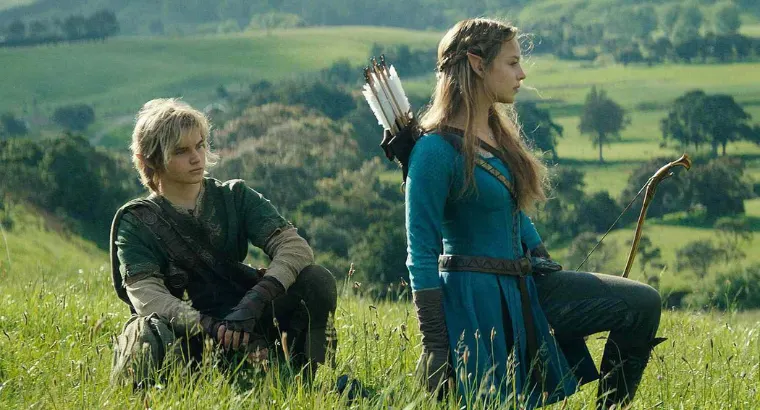
Produced in partnership with Sony, this live-action adaptation is arguably the most ambitious film project Nintendo has ever taken on. The recent success of The Super Mario Bros. and its sequel suggests that this is the right time to make that jump. With this big-screen adventure on the way, newcomers to the franchise will likely want ways to engage with the series on Nintendo Switch 2. Providing them with remakes of some of Nintendo’s greatest games, especially ones that spotlight Zelda‘s most celebrated entries, is a smart way to connect the games with the film. That strategy is further supported by a slate of modern hits, which helps balance the nostalgic focus on earlier years.
The combination of the 40th anniversary and the movie’s release gives Nintendo a chance to fully embrace Zelda‘s past while buying time for the next instalment. It’s a smart move, and one that should still satisfy the fan base. Fans have waited so long for remakes of beloved games like Ocarina of Time these that this era of reruns is unlikely to disappoint. More than anything, this period feels just as much like a celebration of the audience as it does of Link and Zelda themselves.
A Quick Recap At Zelda’s Journey & How Breath Of The Wild Transformed The Series
The original Legend of Zelda, released 40 years ago in 1986, was an open world game that let players tackle challenges in any order. When Breath of the Wild was released in 2017, it was both a new direction for the series and a return to its roots. The reception to the title was absurdly positive, and it was clear that the future had arrived for Nintendo’s fantasy saga. Breath of the Wild has been hailed as one of the greatest games ever made since it was released, and Nintendo’s biggest challenge has been finding a way to top it.
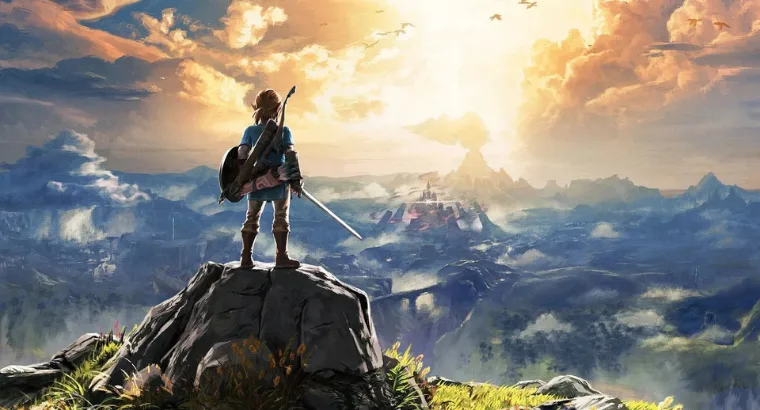
Some claim that the game’s 2023 follow up, Tears of the Kingdom, is actually superior to its predecessor thanks to its larger world and sandbox mechanics, which led to inventive puzzle-solving unlike anything the series had seen before. Both Breath of the Wild and Tears of the Kingdom also received upgraded Switch 2 versions that built on what Nintendo had created. While many of the upgrades were performance-related, with improved textures and smoother framerates, Nintendo also built on the lore of the games with the Notes feature, which essentially gives players guided tours of Hyrule.
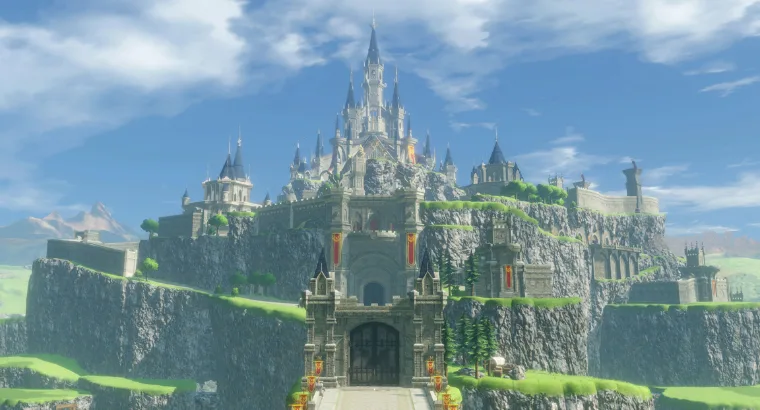
These two titles have been critical for the Legend of Zelda series on the Nintendo Switch, but during this era, Nintendo also put out another major release that showcased the versatility of the franchise. 2024’s The Legend of Zelda: Echoes of Wisdom was a fun and vibrant alternative to the mainline games that put Zelda in the lead role. Even though Echoes of Wisdom didn’t get the kind of glowing reception that Breath of the Wild and Tears of the Kingdom did, its inventive mechanics showed that Nintendo was still willing to experiment with Zelda. The game’s signature mechanic allowed the game to copy virtually anything around her, leading to gameplay unlike anything the Zelda series has seen before.
You may also like to read:Pokemon FireRed/LeafGreen’s Pokemons That You Should Catch In Your Next Playthrough