Key Takeaways
- Microsoft says Project Helix will retain a console-first experience while supporting games from PC libraries.
- Xbox VP Jason Ronald says players will have access to four generations of Xbox games and existing progression.
- The next Xbox will offer additional performance and graphics settings for players seeking more control.
- Microsoft is exploring neural rendering to improve visual quality without relying entirely on additional computing power.
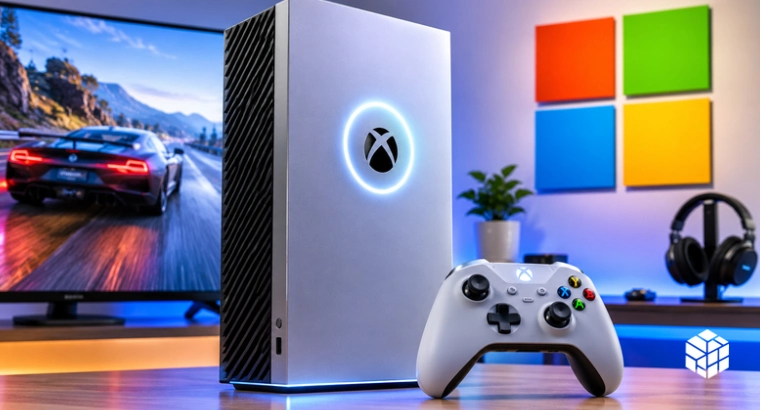
Microsoft has clarified how it wants its next-generation Xbox hardware, Project Helix, to function, describing it as a console capable of playing PC games rather than a PC that can also run Xbox titles. The explanation comes from Xbox Vice President of Next Generation Jason Ronald, who discussed the device in the company’s 25th anniversary magazine.
The comments provide more context about Microsoft’s plans to bring console and PC gaming libraries closer together while retaining a familiar console experience. The company has also discussed backward compatibility, additional performance settings, and neural rendering as part of its next-generation hardware plans. However, several details about how PC game compatibility will work, including support for third-party storefronts, remain unconfirmed.
Microsoft Wants Project Helix To Retain A Console-First Experience
Microsoft’s latest explanation focuses on maintaining the distinction between a console and a traditional gaming PC. Jason Ronald said the company’s design goal is to make Project Helix a console that can also play games from a user’s PC library. “We’re very clear on the design goal: Helix is designed to be a console that is also capable of playing games from your PC. It is not a PC that can also play console games,” Ronald explained.
According to Ronald, the aim is to make accessing games easy and straightforward. Players should not have to worry about driver updates or spend time navigating complicated settings before starting a game. However, Microsoft does not intend to remove customization options entirely.
Ronald added that players who want greater control over performance and graphics settings will still have access to those options. This suggests Project Helix will offer a simpler experience by default while allowing more experienced users to adjust how games run.
The approach also draws on Microsoft’s work with the ROG Xbox Ally and Xbox Mode on Windows. Ronald said feedback from the handheld and the company’s efforts to bring different game libraries and input methods together have influenced its plans for the next console. Helix will have its own interface rather than simply copying the existing Xbox Mode experience.
Questions about PC game compatibility remain, particularly regarding third-party storefronts such as Steam and the Epic Games Store. Microsoft has not confirmed which platforms will be supported or whether players will be able to install games from every major PC storefront.
Project Helix Will Support Four Generations Of Xbox Games And Neural Rendering
Backward compatibility is another part of Microsoft’s plans for Project Helix. Ronald said players will be able to bring their existing Xbox libraries and progression across four generations of Xbox hardware.
The intention is to make previously purchased games and saved progress available when players move to the next-generation system. This would continue Microsoft’s existing backward compatibility efforts while giving players continued access to older titles.
Microsoft has also discussed bringing console and PC games together through a unified library. The ROG Xbox Ally has provided an opportunity to test how games from different storefronts and platforms can appear in one interface. However, the company has not explained whether the same arrangements will carry over to Helix or how purchases across different storefronts will be handled.
Beyond its software plans, Microsoft is also looking at neural rendering to improve graphics on the next Xbox. Ronald described the technology as a way to generate frames and improve visual fidelity without requiring a corresponding increase in computing power or memory.
Rather than relying entirely on stronger hardware to improve graphics, neural rendering could help developers use available resources more efficiently. Microsoft has not provided specific performance figures or demonstrated how the technology will work in commercial games.
Project Helix is being developed through Microsoft’s partnership with AMD, with a custom system-on-chip designed for the next generation of DirectX and FSR technologies. Microsoft previously confirmed that alpha versions of the hardware are expected to reach developers beginning in 2027.