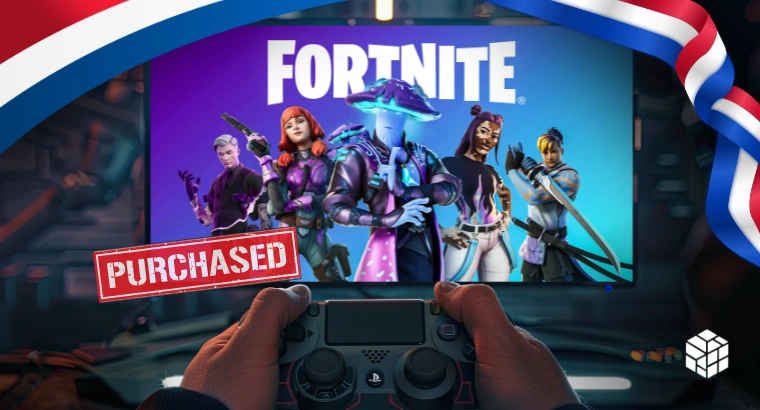
A Dutch consumer foundation served Epic Games with a formal notice of liability on September 23 against Epic Games over Fortnite, seeking more than €100 million in refunds and compensation for people who played the game in the Netherlands before turning 21. Stichting Massaschade & Consument (SMC) alleges that young players were misled and placed under pressure to spend money on in-game items. The claim focuses on practices including purchase prompts and countdown timers that allegedly made some offers appear more time-sensitive than they were. Epic has disputed the characterization of its current Fortnite Item Shop and pointed to parental controls and other purchase protections. The case follows earlier regulatory action against Epic in the Netherlands, where authorities found that some Fortnite purchasing practices breached consumer-protection rules.
What SMC Is Demanding From Epic Games Over Fortnite
SMC says its claim covers people who played Fortnite in the Netherlands before reaching 21 and seeks repayment for purchases made under what it describes as pressure, along with additional compensation. The organization estimates the combined claim at more than €100 million. GamesIndustry.biz reported that the group has formally held Epic liable and is seeking compensation connected to both purchases and alleged privacy violations involving children.
The central allegations concern Fortnite’s Item Shop and how products were presented to younger players. SMC says countdown timers could suggest that an item was about to leave the shop even when the offer remained available later. The group also points to purchase prompts and the use of V-Bucks, Fortnite’s in-game currency, as part of its argument that players could be encouraged to spend without viewing the transaction in the same way as a conventional cash purchase. Research cited by the group also forms part of its case. A survey of more than 1,000 Dutch teenagers aged 16 to 19 found that six in 10 respondents who purchased currencies such as V-Bucks said the money did not feel like real money, while half reported regretting purchases made under time pressure.
Epic Games is being sued for €100 million over Fortnite.
— Pirat_Nation 🔴 (@Pirat_Nation) September 24, 2026
A Dutch consumer group says Epic is pressuring children to spend real money on skins and other items and claims Fortnite uses limited-time offers to create urgency to buy.
The group also accuses Epic of collecting… pic.twitter.com/naHw6Q7sXx
How Epic Games Responded To The Fortnite Item Shop Claims
Epic has presented a different account of its current safeguards. Epic removed the timers in 2024 and says the Item Shop no longer uses one and said parents can require a PIN for real-money purchases. Epic also said players under 16 in the Netherlands receive a Cabined Account until parental consent is provided for real-money purchases, while players under 18 cannot see or purchase items available for less than 48 hours.
Epic also cites two-factor purchase confirmation, instant cancellation and self-service returns as additional protections. Dutch commentators have questioned whether damages claims this broad can be substantiated in court. The claim is therefore based on SMC’s allegations and demands rather than a court finding that Epic owes the requested €100 million.
Why The 2024 ACM Fine Against Epic Games Matters Here
The new action follows an earlier Dutch regulatory case involving Fortnite’s purchasing practices. In 2024, the Netherlands Authority for Consumers and Markets (ACM) fined Epic €1,125,000, split evenly between urgency phrasing such as “get it now” and countdown timers that falsely suggested items were leaving the shop over what it determined were unfair commercial practices aimed at children. The regulator said Fortnite used advertising that directly encouraged children to purchase items and identified misleading countdown timers among the practices at issue. It also said the Item Shop’s design could place children under time pressure when deciding whether to buy.
Epic challenged the ACM’s decision, but the District Court of Rotterdam dismissed Epic’s appeal on 14 January 2026. The court agreed that Epic had directly encouraged children to make purchases and that the ACM could assess the practices from the perspective of consumers under 18. The ACM said Epic did not pursue a further appeal, making that decision final. The new consumer claim is separate from that regulatory case. SMC estimates about one million Dutch players since 2017, sign-ups are open and free. It added that it has invited Epic to discuss a collective settlement and will proceed with court action if the discussions do not produce an agreement. Its claim page says the organization is seeking repayment of Fortnite purchases as well as compensation connected to alleged game-design and privacy issues.
Comment
by u/FrenkTheTenk from discussion
in gaming
A Reddit discussion includes users debating Fortnite’s purchase prompts, parental responsibility and Epic’s response. Such discussions provide context on online reaction but do not establish the allegations made in the claim.