Microsoft is reportedly halting or significantly slowing down its acquisition of new third-party titles for the Xbox Game Pass library. Recent movements within the gaming industry suggest a change for the subscription system, highlighting the rapid nature of platform curation and publisher relationships. As digital delivery networks face unexpected economic pressures, corporate directives required reevaluation of external licensing agreements to preserve long-term viability. This potential redirection has sparked significant discussion across gaming communities, independent developers, and major studios, as the platform goes through an increasingly complex financial time. The addition of these changes could fundamentally change new content and hinting towards a broader transformation in how subscription services balance external partnerships with core proprietary goals.
What the Podcast Report Actually Claims About Xbox
Reports of a pause came following on The Business of Video Games Podcast, where Fernando Rizo of Caboodle Games shared insights from independent developers at a recent trade show in Italy. Multiple creators in advanced, unlinked negotiations reported having their discussions suspended, with terms like “rug pull” and “on pause” within the industry. The story quickly gained traction across social platforms and discussions online. The situation is a sudden shift that has left many upcoming deals completely on hold.
Xbox Has Frozen 3rd-Party Game Pass Deals per Industry Podcast
by u/seedypr in gaming
A major motivator behind this decision appears to be a calculated effort to save on the heavy licensing fees associated with hosting external titles, allowing Xbox to focus their financial capital toward its proprietary hardware development and first-party intellectual properties (IPs). By reducing on expensive third-party agreements, Microsoft aims to maximize the profitability and ecosystem draw of its internal studios.
This financial pivot comes with a highly challenging period for the brand. Under the recent change of Asha Sharma as the CEO, the company had many changes. This environment has already resulted in significant organizational layoffs, steep operational adjustments, and broader inflation due to AI Crisis price increase across the Xbox and other gaming hardware brands. Halting external content acquisitions serves as an additional cost-cutting measure to stabilize expenditures.
Other than the cost savings, the pause also focuses on a broader change in Microsoft’s long-term Xbox strategy. The company has positioned Xbox as a platform that extends beyond traditional console gaming, focusing on cloud gaming, PC integration, and cross-platform accessibility. This evolution reduces the need to rely heavily on expensive third-party subscription deals to attract users into the ecosystem, especially as Microsoft continues to expand the value of its own games through studios acquired in recent years.
By prioritizing internally developed games, Xbox can maintain greater control over releases, marketing strategies, and long-term revenue plans. However, this approach also raises questions about whether Game Pass can continue offering the same level of variety that helped establish its reputation amongst the fans in the first place.
What This Means for Indie Studios & Game Developers
The sudden suspension of incoming deals presents many logistical and financial challenges for the global development community. For many mid-sized and independent studios, securing a day-one Game Pass agreement provides guaranteed capital that eliminates the high risks of modern game production. The pause aligns with leadership’s restructuring, it makes sense that a company entering a “100-day reset” would temporarily halt long-term contract signings while evaluating long-term profitability.
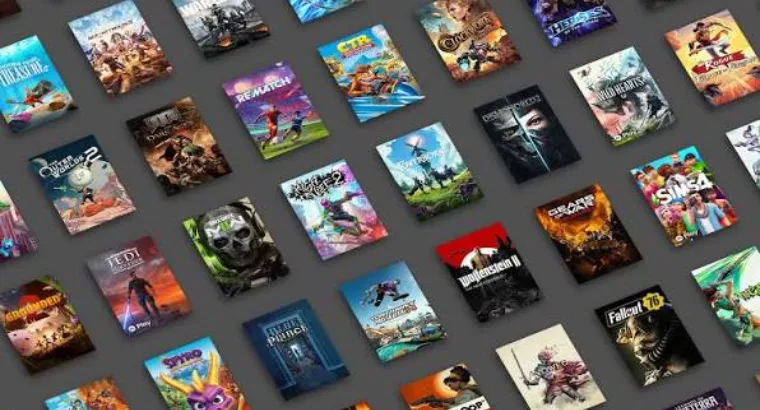
The long-term reliability of subscription reliant distribution models worry that the sudden policy changes leave developers highly vulnerable to platform re-orientations or changes. While platforms like Game Pass initially offered exposure and upfront financial security for diverse content creators, this current pause serves as a reminder of the importance that comes with any centralized distribution. It has started widespread discussions about sustainability, independence, and the balance of power between content creators and platform holders.
You may also like to read: PlayStation 5 Players Could Soon Get Modern Warfare 2 and 3, Leaks Suggest