Key Takeaways
- Denis Dyack says polished AAA Early Access releases are raising expectations for smaller independent developers.
- He points to Subnautica 2 and Path of Exile as examples.
- Apocalypse Studios faced criticism following Deadhaus Sonata’s Early Access launch.
- Dyack believes developers should prepare for Early Access as they would for a full release.
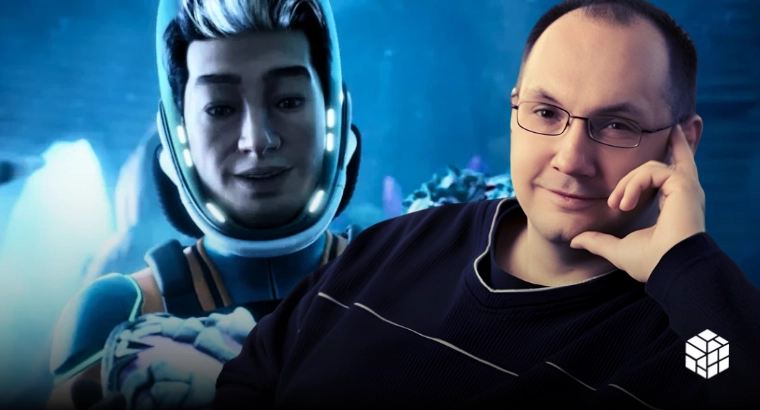
Apocalypse Studios CEO Denis Dyack believes the way larger publishers approach Early Access is making it harder for independent developers to release unfinished games. He argues that players are becoming accustomed to more polished releases from bigger studios and are starting to expect similar quality from smaller teams with fewer people and limited budgets.
Speaking to GamesIndustry.biz, Dyack pointed to games such as Subnautica 2 and Path of Exile as examples of titles influencing those expectations. His comments come after his own studio faced difficulties with Deadhaus Sonata, which entered Early Access earlier this year. The discussion raises questions about how players judge games that are still in development and whether smaller studios can meet expectations set by larger productions.
Denis Dyack Says AAA Studios Are Changing What Players Expect From Early Access
Dyack says that larger developers have an advantage when releasing games through Early Access. They have bigger teams and more funding, allowing them to present relatively polished builds while continuing development. According to Dyack, this creates a difficult comparison for smaller studios.
Players browsing Steam can find games from developers with very different budgets and team sizes, but the Early Access label appears across all of them. As a result, an unfinished game from an independent studio may be judged against a considerably more polished release. “AAA publishers are abusing Early Access, skewing player expectations in such a way that it heavily disadvantages smaller independent developers,” Dyack said.
He specifically mentioned Subnautica 2 and Path of Exile as games that have influenced player expectations. His concern is that audiences accustomed to polished Early Access releases may become less willing to accept technical problems, missing features, or unfinished systems in smaller projects. Dyack also connected the issue to Apocalypse Studios’ experience with Deadhaus Sonata.
The game received criticism after entering Early Access, and the studio’s creative director, Ethan McKinnon, said players naturally compare games available in the same marketplace, regardless of the resources behind them. McKinnon believes smaller teams are now being judged against higher standards. His advice to developers is to take the launch process seriously, with proper attention to performance, communication, Steam reviews, and community outreach.
This problem is similar to what other challenges smaller studios face on Steam. Palworld Publishing Lead John Buckley recently discussed how Steam Next Fest is becoming harder for indie developers, as more games compete for attention during the event.
Early Access Games Still Have To Win Over Players
Valve’s Steam Early Access guidelines allow developers to sell games while they are still being worked on. The idea is to let players try a game before its full release and give developers feedback they can use to improve it. That also means buyers should expect missing features, changes to existing systems, and bugs that may take time to fix.
Players discussed how polished the game felt compared with other Early Access releases. That kind of response helps explain Dyack’s concern, although one Reddit discussion cannot represent the views of every player. Some people are happy to support a game while it is being developed, while others expect a more complete experience before spending money.
Indie developers have more to worry about than just getting their games ready for release. Standing out on Steam can be difficult too, especially with so many titles competing for players’ attention. Valve has also spoken about its efforts to improve game discovery on Steam. For Apocalypse Studios, the response to Deadhaus Sonata shows what can happen when a game falls short of what players expect. Dyack believes developers need to pay closer attention to how their games perform, how they communicate with players, and what condition the game is in before opening it up to the public.