When a game succeeds, publishers usually look for ways to turn a growing base into recurring revenue. That consists of paid expansions, season passes, cosmetic stores, or downloadable content released while interest is at its high. Sean Murray says Hello Games has no interest in that model for No Man’s Sky. The studio continues to release major updates free, even where paid DLC would generate significant revenue. His reasoning is clear, as he believes every player should experience the same game without a divided community between old and new content.
Why Hello Games Keeps No Man’s Sky Updates Free
The co-founder of Hello Games, Sean Murray, says he does not even want to see a presentation regarding how much money the studio could have earned using paid content. His concern does not limit itself to the financial nuance, but also the structure of the gaming community. “Every player that we have is going to experience this,” Murray said, explaining why the studio continues to release the updates for free. He said Hello Games can build on earlier features more effectively when every player has the same content.
“That doesn’t work if you’re bifurcating your audience,” he said. That position is unusual in an industry where long-running games are monetised in layers. A developer may charge for a major expansion, sell smaller content packs, launch a seasonal battle pass, or offer cosmetic items through an in-game shop. The strategy is appealing because it extends a game’s monetary life. It also gives publishers a recurring revenue stream from an established player base. DLC can also bring old players back, increasing the worth of the original games and creating new opportunities to sell expansions or passes.
Sean Murray says he doesn’t care how much money No Man’s Sky could have made through paid DLC, and the game’s updates will stay free.
— Pirat_Nation 🔴 (@Pirat_Nation) August 10, 2026
Murray says he doesn’t even want to know how much money Hello Games might have made from paid content:
“I never want to see that PowerPoint.”… pic.twitter.com/lgXu9xTXku
Diablo 4 is a suitable example of the hybrid model. Blizzard sells major expansions separately but also generates income from cosmetic items and limited launch passes. The paid tier of its battle pass circles around cosmetic rewards rather than direct advantages. The model still pushes players to return every season and spend money on optional items. Blizzard’s method shows how organizations can avoid direct pay-to-win mechanics while still monetizing the game.
Destiny 2 also has a structure that is easy to grasp. Bungie has used paid expansions, seasonal content, special packs, passes, and built-in purchases. At different points, players need to buy season passes or expansions to access certain parts, stories, and rewards. The benefit for the publisher is a recurring cycle of income. The drawback is that returning players may find the entry costs and content structure a bit difficult.
Why Studios Like CD Projekt Red Charge for Expansions
Once the game becomes famous, its developer builds a large audience base, an established name, and a proven demand for new changes. Selling an expansion to the audience is less risky than launching an entirely new game.
CD Projekt Red used this approach with Cyberpunk 2077: Phantom Liberty. The expansion delivered a new story and region, and was sold as a premium product rather than released for free. It became a significant success, selling more than 3 million copies in the first week, and more than 10 million by the year 2025.
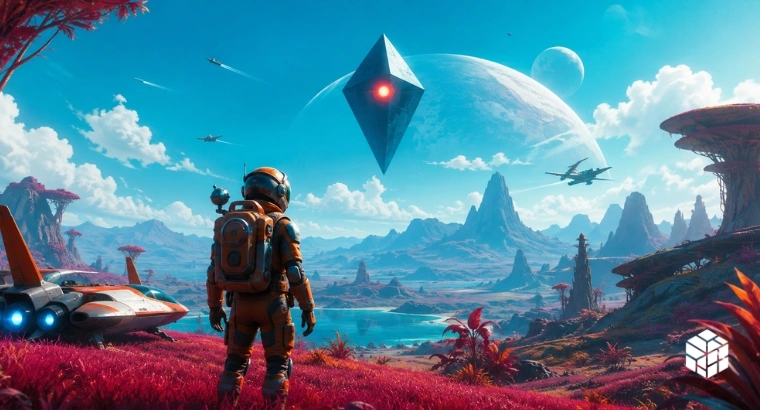
Hello Games chose a distinct path. No Man’s Sky was launched in 2016, amid heavy criticism, but the studio rebuilt trust through free updates. Those updates added multiplayer, base building, virtual reality support, settlements, expeditions, pets, new ships, and major changes. By 2026, the game had 40 major updates at no additional cost to existing players.
That thing changed the community response. Players generally treat each new update as a shared event rather than an individual purchase decision. They return to familiarize new systems, share discoveries, build bases, complete expeditions, and discuss the changes all together. The free model also means that the community is not split between players who bought an expansion and those who did not. Every player has access to the same features, which makes multiplayer interaction and community events easier to sustain and build.
Hello Games approach does not indicate that free updates do not add to business significance. New content can create renewed sales, appeal to lapsed players and bolster the brand. The studio prioritizes consumer trust and a uniform player base over DLC income. While other games show why paid extensions garner an audience, No Man’s Sky opens up another route. It is to sell the game once, keep updating the game, and make every player a part of the same ongoing voyage.