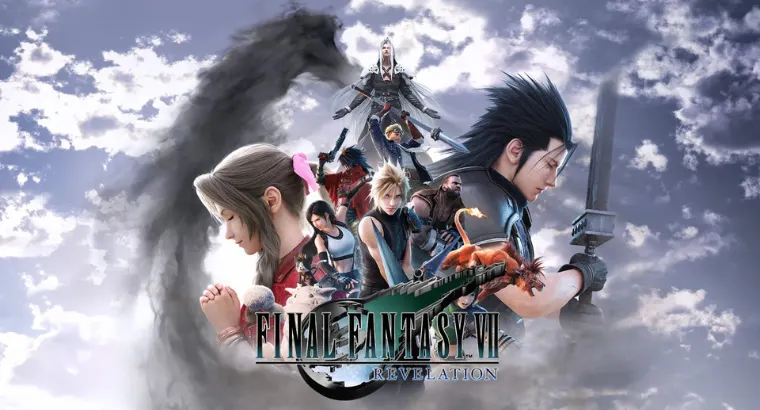
Final Fantasy 7 Remake trilogy director Naoki Hamaguchi recently spoke to 4Gamer about the upcoming final game, Final Fantasy 7 Revelation. In a highly discussed interview with Japanese publication 4Gamer.net, Hamaguchi addressed a major player complaint: the overwhelming number of mini-games. While he confirmed that the development team will absolutely not reduce the total number of side activities, as they are fundamentally changing how they work.
The developer made it clear that player feedback has heavily influenced the final changes of Cloud Strife’s journey. However, Square Enix is balancing this feedback with respect to the structural legacy of the original 1997 PlayStation classic Final Fantasy VII .
Why Players Find Mini-Games a Problem In Final Fantasy 7
The launch of Final Fantasy 7 Rebirth has intense online debate across the gaming community. While many fans loved the massive open world and fluid combat, a large portion of the player base felt frustrated by the sheer volume of mini-games.
To many forced minigames
by u/Taihaku250 in FF7Rebirth
For many fans, the primary issue was pacing, forced engagement, and mismatched rewards. The game frequently forced players to stop their journey. Players had to beat specific mini-games just to progress through the main story. For instance, a mandatory Queen’s Blood card tournament would suddenly stop the narrative. This created an irritating roadblock for people who wanted to focus entirely on the plot. It broke the dramatic tension right before serious or emotional scenes.
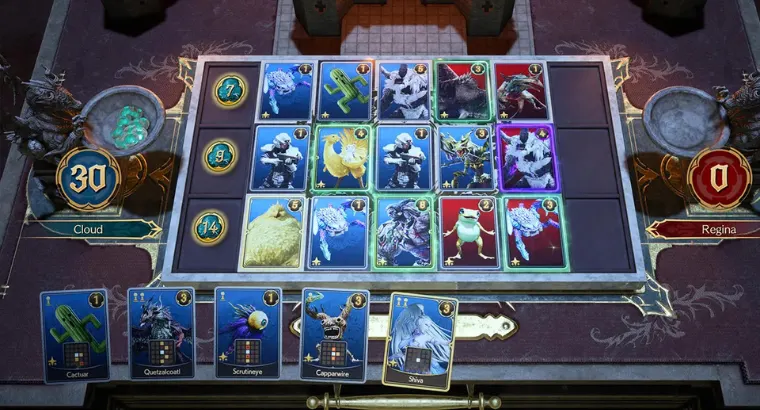
Additionally, activities like the piano rhythm challenges, tight Chocobo time trials, and the 3D Brawler required perfect execution. Making things worse, the developers locked powerful combat gear, ultimate weapons, and important character upgrades behind top-tier high scores in these non-combat events. This forced purely combat-focused RPG players into gameplay styles they did not enjoy just to optimize their party for late-game bosses and made players frustrated who just wanted to play the game mainly for the narrative.
How Devs Plan On Fixing This By Giving Players Total Control
In his interview with 4Gamer.net, Director Naoki Hamaguchi went over how the team is systematically fixing these issue points for Final Fantasy 7 Revelation. He explained that while the abundance of mini-games is a defining trait of the original game that “we will absolutely not reduce them,” but this time around the approach will feel much more comfortable to play.
The main solution is the introduction of player choice. In the upcoming final chapter, players will no longer be forced to engage with mini-games to progress the main story forward. If players only want to focus on the core narrative and the final battle for the planet, you can completely ignore the side quests. Moreover, the team is completely reworking on how rewards are distributed. They are separating combat progression from casual side content progression. Instead of locking a character’s best armor set or weapons behind a mini-game high score, Final Fantasy 7 Revelation will have all major battle upgrades to strictly combat-oriented side content like battle simulators and coliseums.
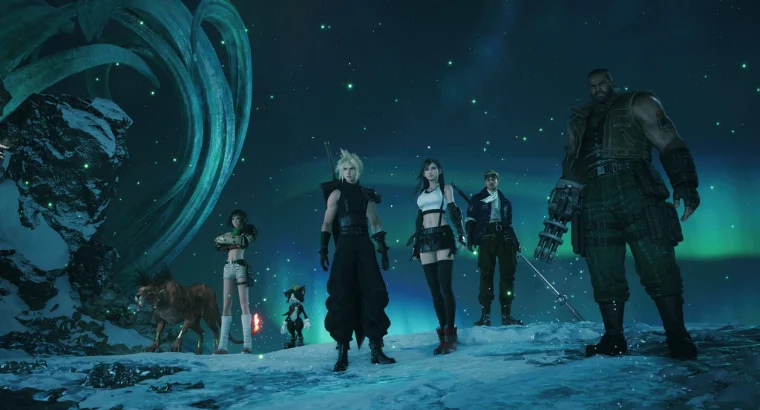
Mini-games will now reward only cosmetic extras, such as character skins and fun outfits. Hamaguchi also noted that this ensures only players who genuinely find a mini-game fun will feel encouraged to play it. In addition with the newly added difficulty settings and an integrated skip function, Square Enix aims to preserve its massive world while removing the stress that many players had to deal with in the previous title. Officially revealed at the Summer Game Fest 2026, Square Enix confirmed that Final Fantasy 7 Revelation is set to launch in Spring 2027 on PlayStation 5, Xbox Series X|S, Nintendo Switch 2, and PC via Steam and the Epic Games Store.
You may also like to read: Arc Raiders: What Once Led the Market Is Now Close to Life Support